



Skip to content Skip to footer

Parents
Worship

Day

Inspired By

His Holiness
Sant Shri Asharamji Bapu

1

Countries

1K

Cities

1M

People

1M

Families

Introduction

What is Parents’ Worship Day?

Parents’ Worship Day is a day dedicated to honoring and expressing gratitude to parents for their love, sacrifices, and guidance,
encouraging respect, family values, and strong parent–child relationships.

sant shri asharamji bapu

All the religions exhort -Respect your parents!

No parent wants their son to become a loafer or get involved in love affair with any unmarried girl. No parent wants their daughter to get involved in premarital relationship with any boy and loose her strength and vigour. No Christian, Muslim, Zoroastrian or Jew wants it; and there is no question of a Hindu consenting to such things. All parents want their children to be brilliant, strong and intelligent, to be self-reliant and to support them in their old age. Teenage boys and girls should not make girl-friends and boy-friends and thereby ruin their lives. All people following different religions don’t want God or Allah but all do want their children to pay respect to them. I am doing the same. I have started the campaign of celebrating ‘Parents’ Worship Day’ so that mankind should be benefited by it.

Requirement of Parents Worship Day : A Cultural, Scientific, and Spiritual Perspective

In a rapidly changing world, Parents Worship Day (Matri-Pitri Pujan Diwas) is increasingly viewed as a vital “cultural intervention.” Based on the psychological, scientific, and social factors discussed, here is why we need this day:

Reversing the “Loneliness Epidemic”

Modern youth are more connected digitally but more isolated emotionally. This day creates a “Communication Bridge.”

Scientific Brain Benefits

Neuroscience shows that the act of honoring parents isn’t just a tradition; it’s a biological “Life Hack.”

Strengthening the Social Fabric

The rise of old-age homes indicates a weakening of family bonds.

Character Building and Vitality

During the transition to Spring (mid-February), nature is full of distractions.

It provides a structured way for children to express gratitude, which dissolves the “ego gap” and “generation gap” that often lead to depression and anxiety in teenagers.
Seeking blessings and practicing gratitude activates the Prefrontal Cortex (the brain’s command center). This leads to better concentration, calmer stress responses, and improved decision-making during life’s challenges.
By instilling the value of Seva (service) early on, children grow up viewing their parents as a source of wisdom and blessings rather than a responsibility. This creates a society where elders are protected and integrated rather than neglected.
This day helps redirect youthful energy from “Transient Attraction” (fleeting lust) toward “Eternal Love” (reverence). It preserves Ojas (vitality) and fosters self-control, which is the foundation of a strong character.
It reminds us that “God” can be found at home. Following the example of Lord Ganesha, it teaches that success begins with the blessings of those who gave us life.

Comparison at a Glance

Aspect Transient Trends (Valentine’s) Parents Worship Day

Foundation Momentary Attraction “Selfless, Eternal Love”

Impact Often leads to emotional distraction Enhances focus and mental peace

Outcome Can lead to moral decline Builds character and social responsibility

Long-term Often forgotten over time Strengthens family for generations

Need help or guidance?

Frequently asked questions

Parents Worship Day (also known as Matru Pitru Poojan Diwas or मातृ-पितृ पूजन दिवस) is a cultural observance celebrated annually on February 14 in India and by communities worldwide. It was initiated in 2006 by Sant Shri Asharamji Bapu as a positive alternative to Valentine’s Day, promoting selfless love, respect, and gratitude toward parents based on the Vedic principle “Matru Devo Bhava, Pitru Devo Bhava” (Treat your mother as God, treat your father as God).

It is a day dedicated to honoring and worshiping one's parents as divine figures, expressing gratitude for their selfless love, sacrifices, and guidance. It emphasizes pure, familial love over romantic or lustful expressions.

It is observed every year on February 14, coinciding with Valentine's Day, to redirect the focus toward parental devotion.

It was initiated by Sant Shri Asharamji Bapu in 2006 to revive Indian cultural values, strengthen family bonds, and counter the perceived negative influences of Valentine's Day celebrations.

The date was chosen intentionally as an alternative to Valentine's Day, promoting divine and selfless love for parents instead of romantic relationships, to preserve moral and traditional values.

Common ways include:
Performing puja (worship) of parents with Vedic mantras.
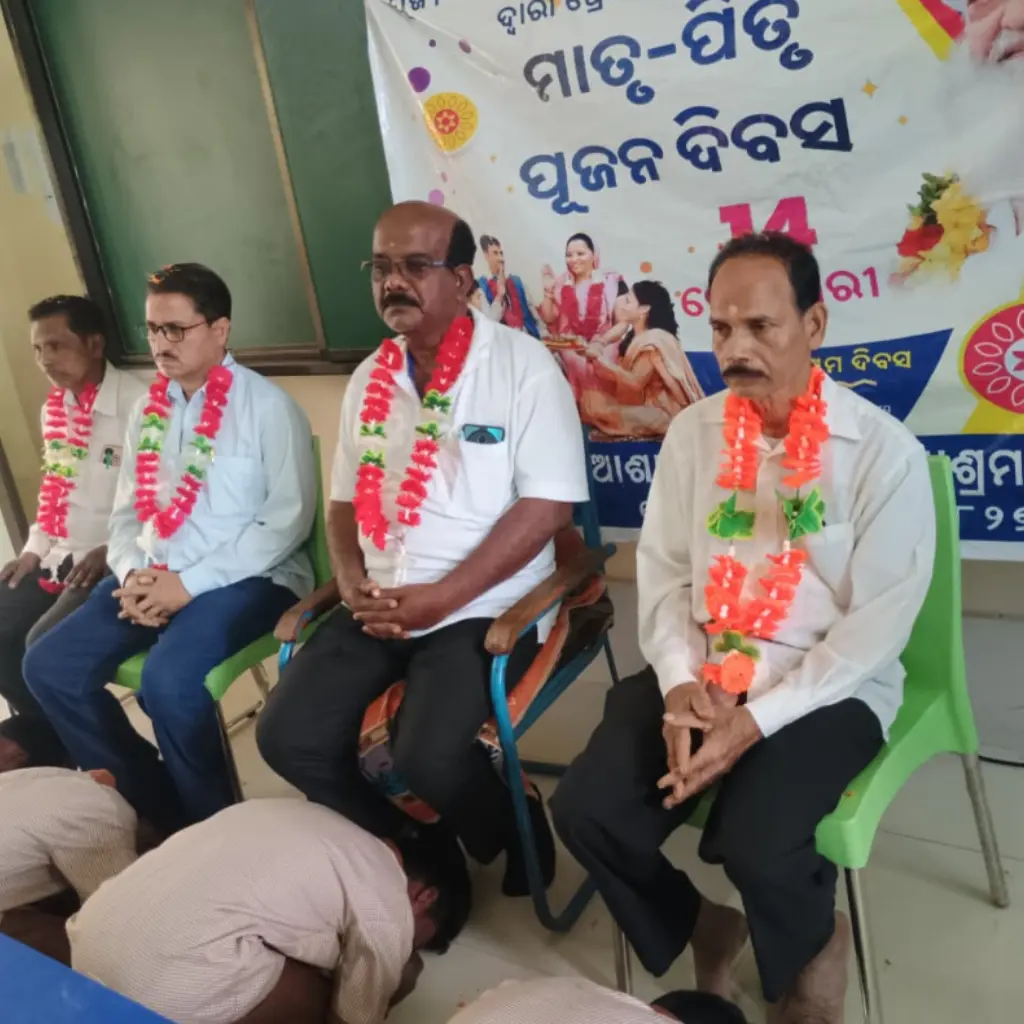
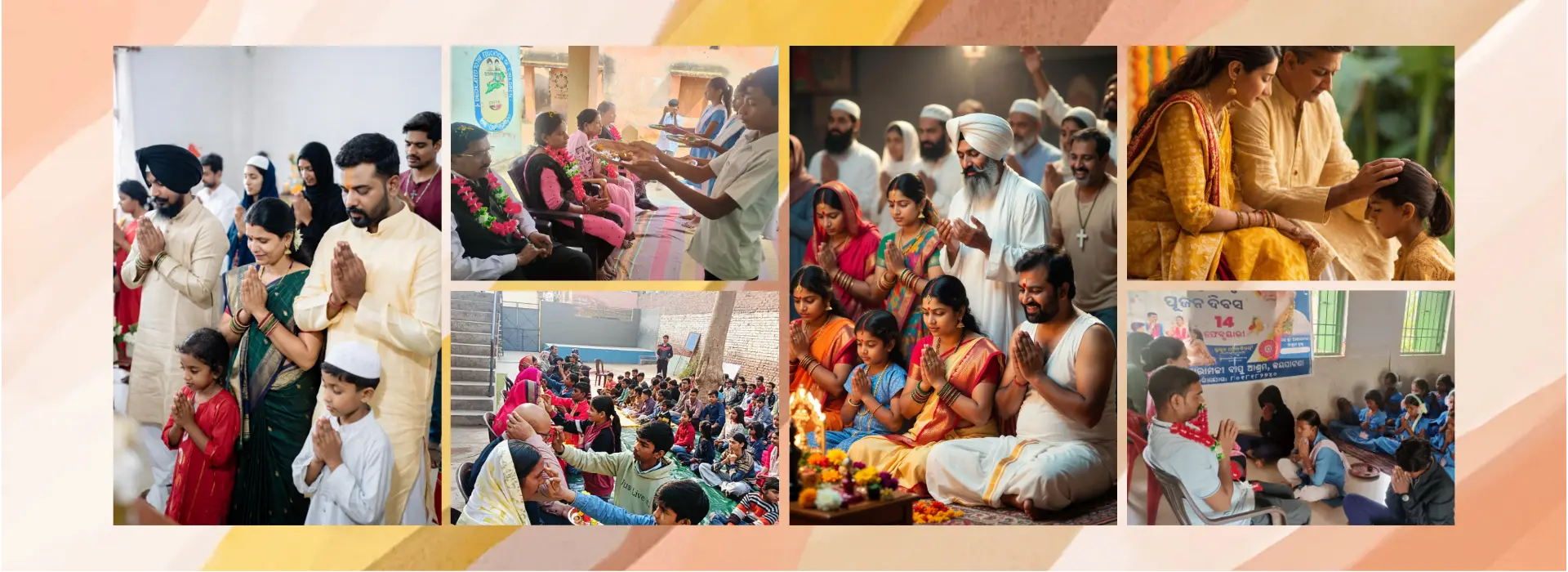
Applying tilak, offering garlands, touching feet for blessings.
Singing bhajans or songs, giving speeches, or organizing events in schools/colleges.
Expressing gratitude through simple acts like spending time, helping at home, or pledging lifelong respect.
Celebrations often happen in families, schools, ashrams, and public places.

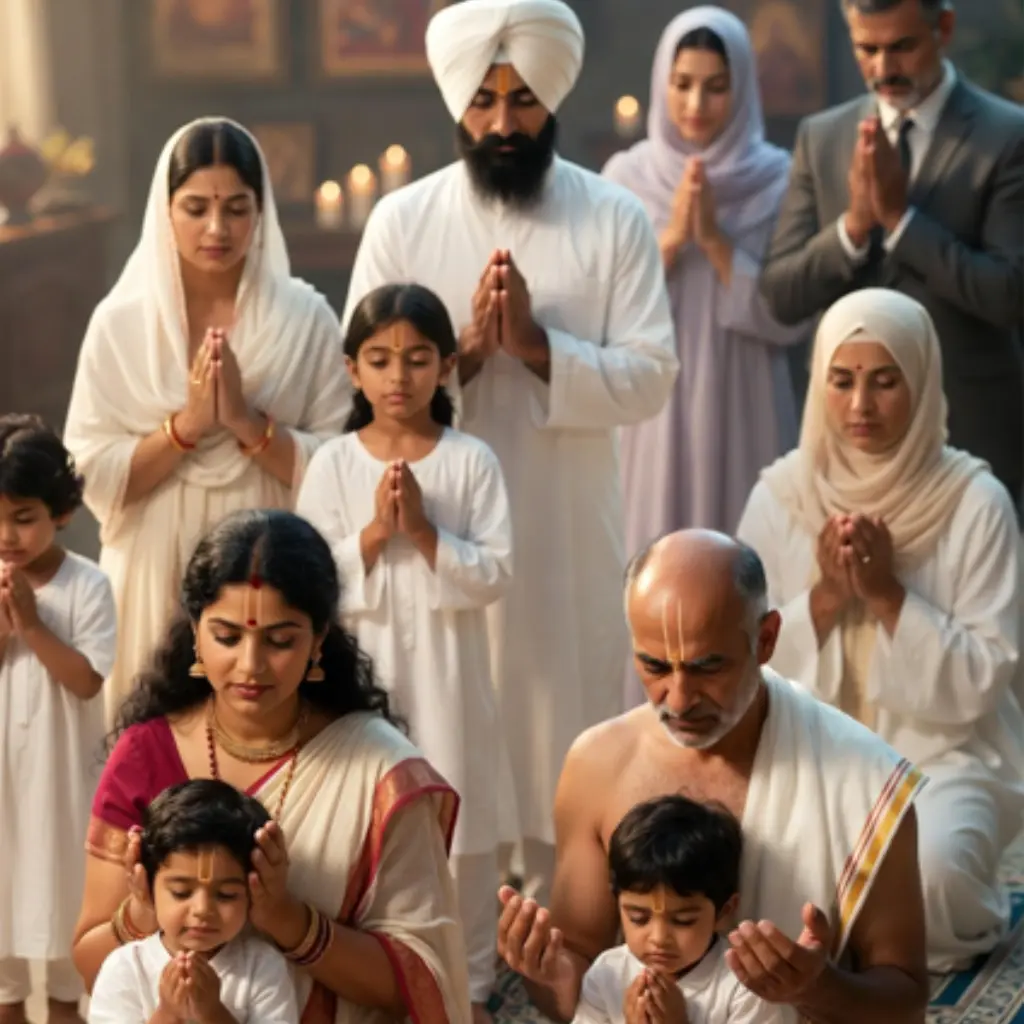
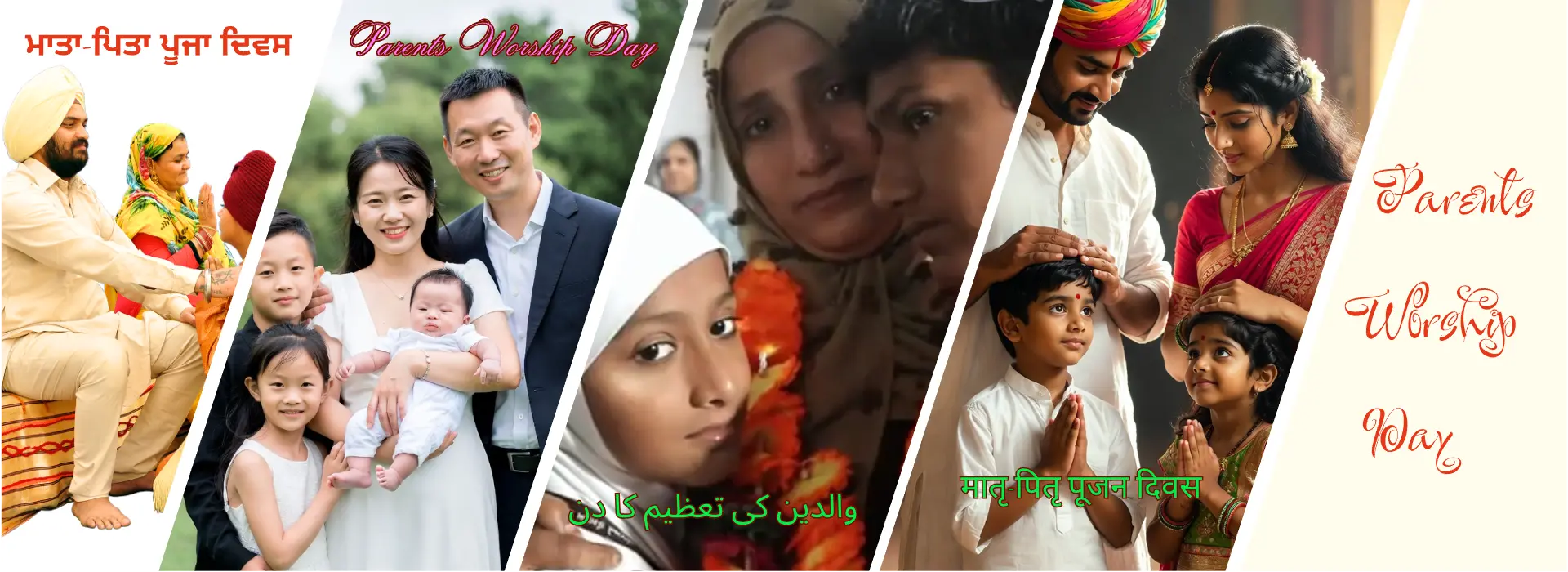
No, Parents' Worship Day is not limited to any one particular religion or only to Hindus. It is a universal festival based on human values and family love. This festival is for Hindus, Muslims, Sikhs, and Christians alike. Hindus call it Matru-Pitru Pujan Diwas (मातृ-पितृ पूजन दिवस), Muslims call it **Ammi-Abbu Ibadat Din** (والدین کی عبادت کا دن), Sikhs call it **Mata-Pita Puja Divas** (ਮਾਤਾ-ਪਿਤਾ ਪੂਜਾ ਦਿਵਸ), and Christians call it **Parents Worship Day**, and they all celebrate it.

To foster gratitude, strengthen family bonds, revive cultural values, protect youth from negative influences, and develop real, selfless love. It is believed to bring blessings, inner peace, and positive character development.

Unlike separate Mother's Day or Father's Day, it honors both parents together on one day. It involves ritualistic worship (poojan) rather than just gifts or cards, emphasizing parents as "first gods" in life.

Matru-Pitru Pujan Divas is for people of all age groups. It is not merely a symbolic celebration for young children, but a universal medium for expressing gratitude toward one's parents.

Yes, since 2006 it has gained traction in India and abroad, with celebrations in schools, ashrams, societies, and online. Many institutions and families now observe it annually.

Yes — the spirit is about gratitude and respect. People honor parents' memory through prayers, good deeds, or acts of service in their name.

Yes, you can give, volunteer, or join events remotely—making it simple to help from anywhere you are in the world.

Empowering Life Through Faith and Values

We are a committed non-profit organization dedicated to awakening respect for parents, instilling strong moral values in children, and driving positive social change through faith, compassion, and selfless service within our communities.
Stories of hope from our partners

How your support is changing lives

Service to humanity is service to God, and this begins at home. On this day, let us take a pledge to serve our parents and bring about a positive transformation in our families and society.
Akhil Bharatiya Yog Vedant Seva Samiti

International Organization

To ensure that young steps find the right direction, teach children to express respect and gratitude toward their parents. Children are the 'Rishi-Prasad' (divine blessings) of our tomorrow.

Balsanskar Kendra

Children's Value Education Centers

Youth power is the strength of the nation. Let us honor our parents and seek their blessings to make our future radiant and glorious.

Yuwa Sewa Sangh

Youth Empowerment

Stronger Families, Better Society: Celebrate Parents' Worship Day.मातृ-पितृ पूजन दिवस
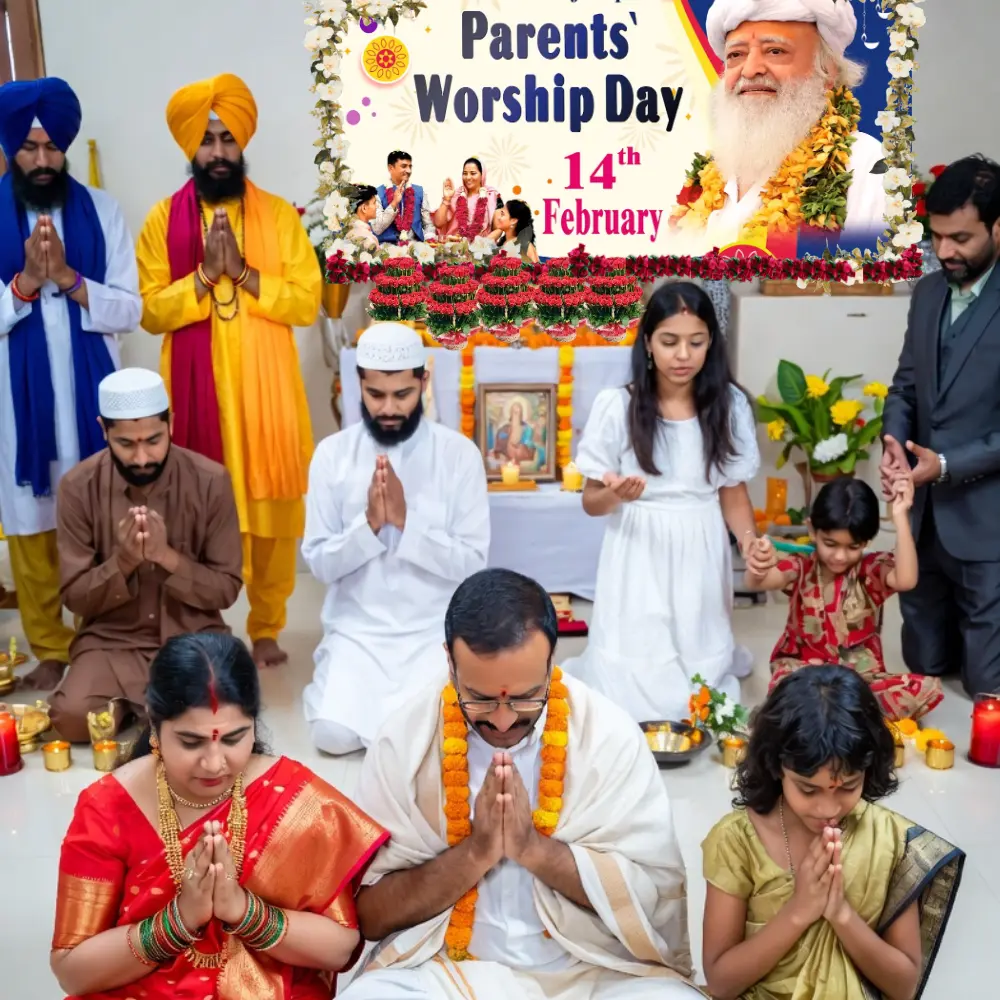
Campaign Materials Now Available

Publicity and ritual (Poojan) materials for the campaign are now available in Hindi, Marathi, Gujarati, English, Odia, Telugu, and Bengali…

In this kit, you will find:

  1. Poojan Vidhi Tracks: Audio guides for ritual procedures.
  2. Banners & Hoardings: Large-scale outdoor displays.
  3. Guides & PPTs: Informative manuals and presentations.
  4. MP3 Bhajans & Songs: Devotional music and campaign tracks.
  5. Gate Flex: Decorative branding for entrance gates.
  6. Sankirtan Yatra Audio: Audio tracks for processions and chanting marches.
  7. DPs (Display Pictures): Graphics for social media profiles.
  8. Pamphlets & Folders: Informational handouts and brochures.
  9. Bike Frame Flex: Branding materials specifically for motorcycles.
  10. Video Ads: Promotional video content.
  11. And much more…

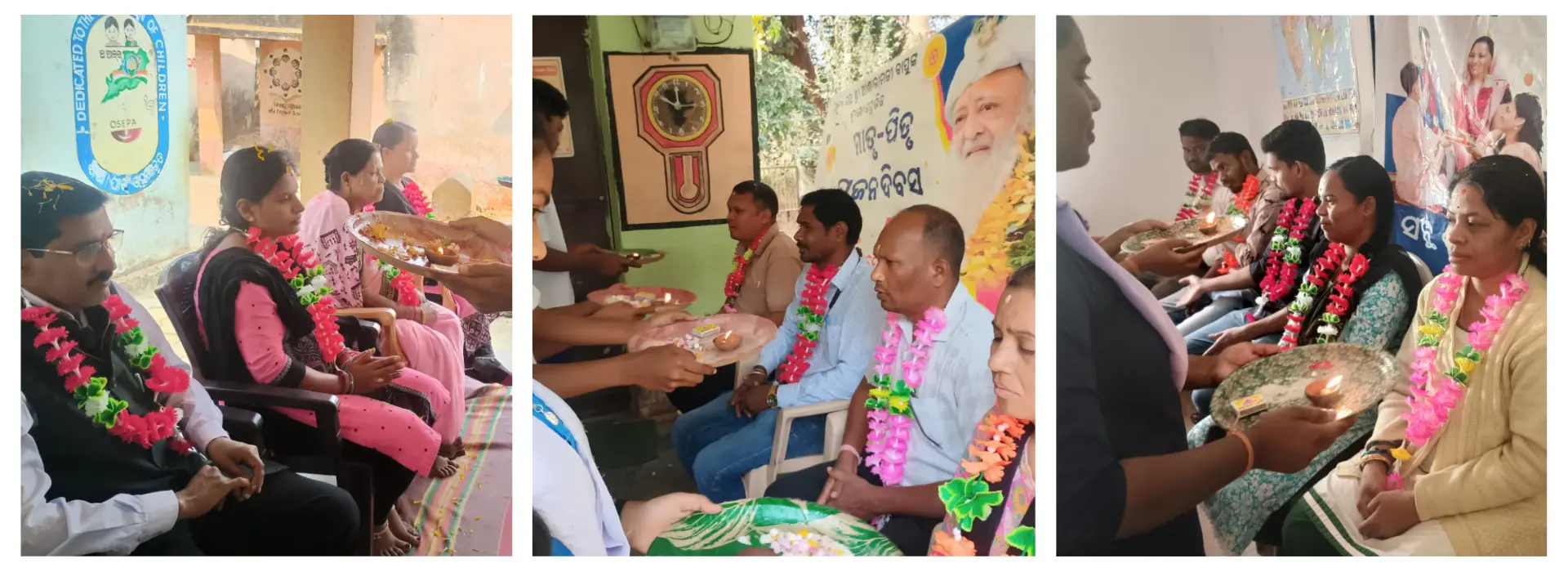
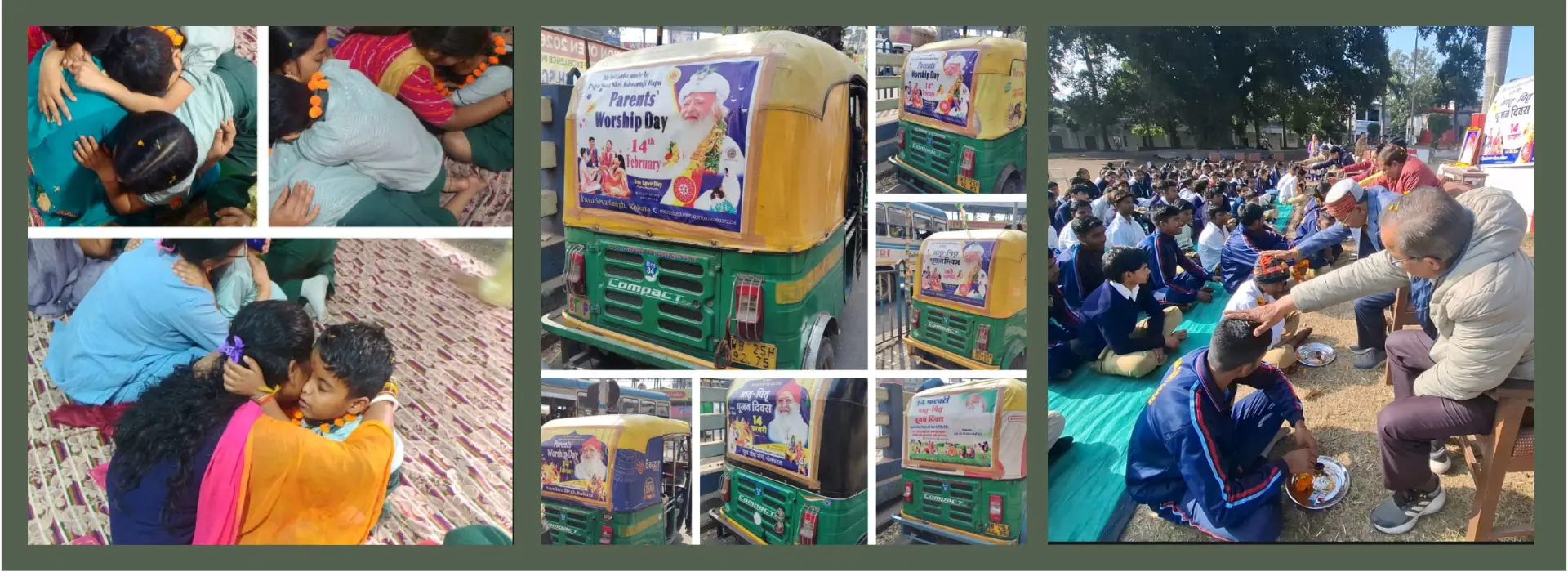
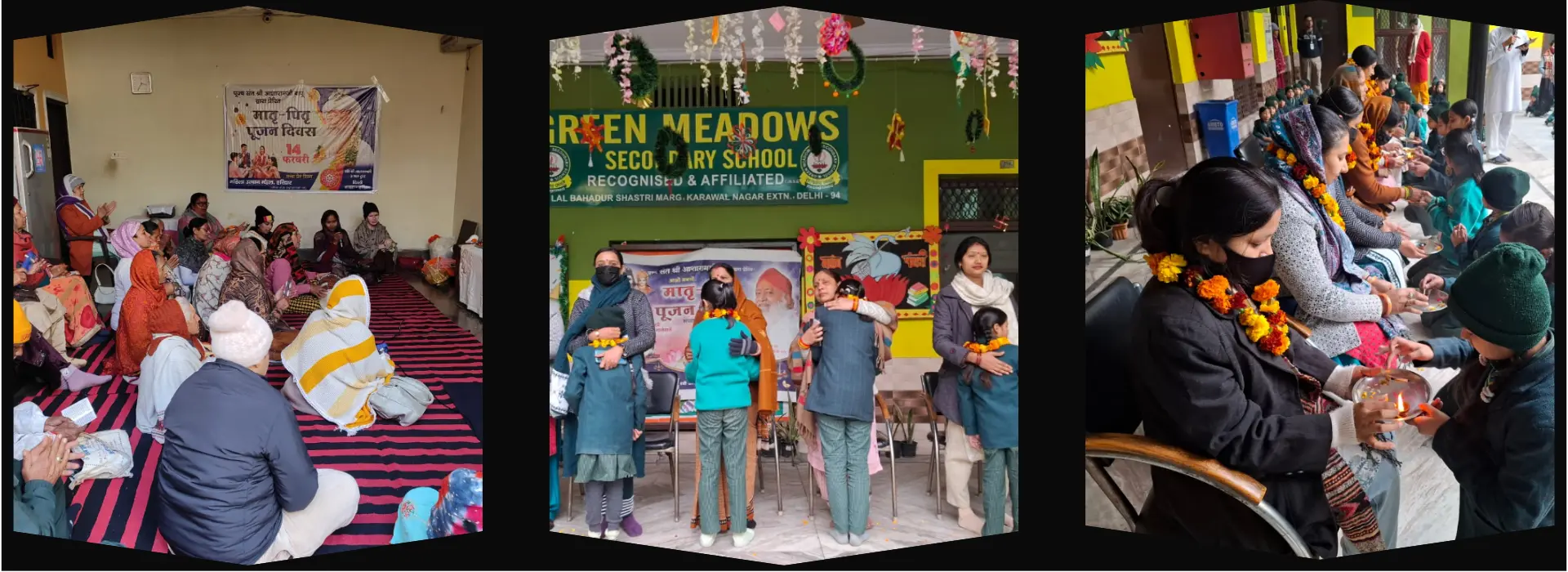
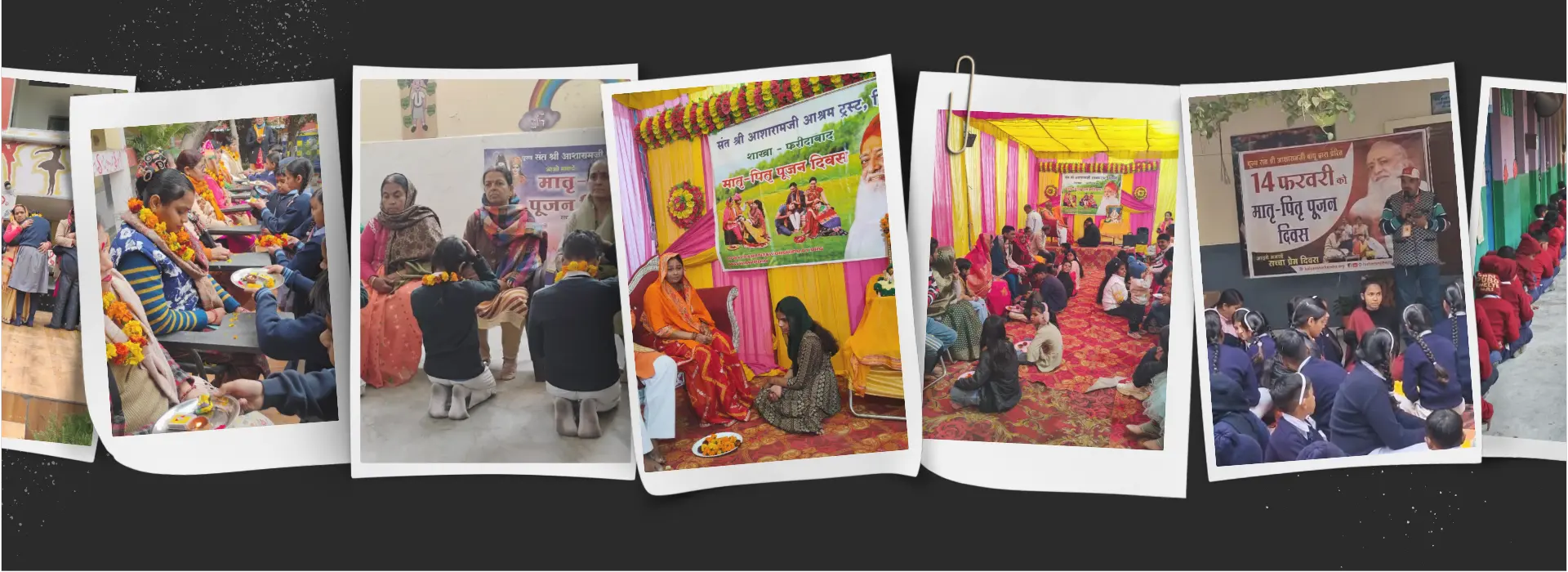
Our Glimpses

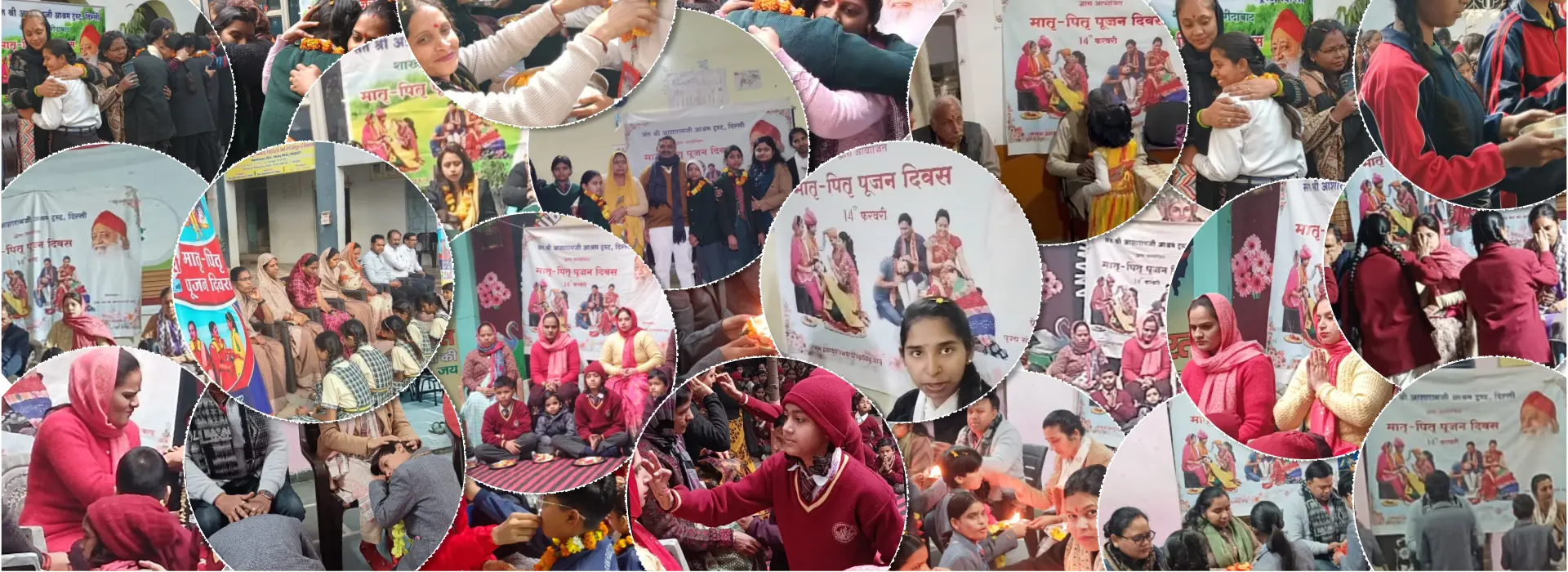
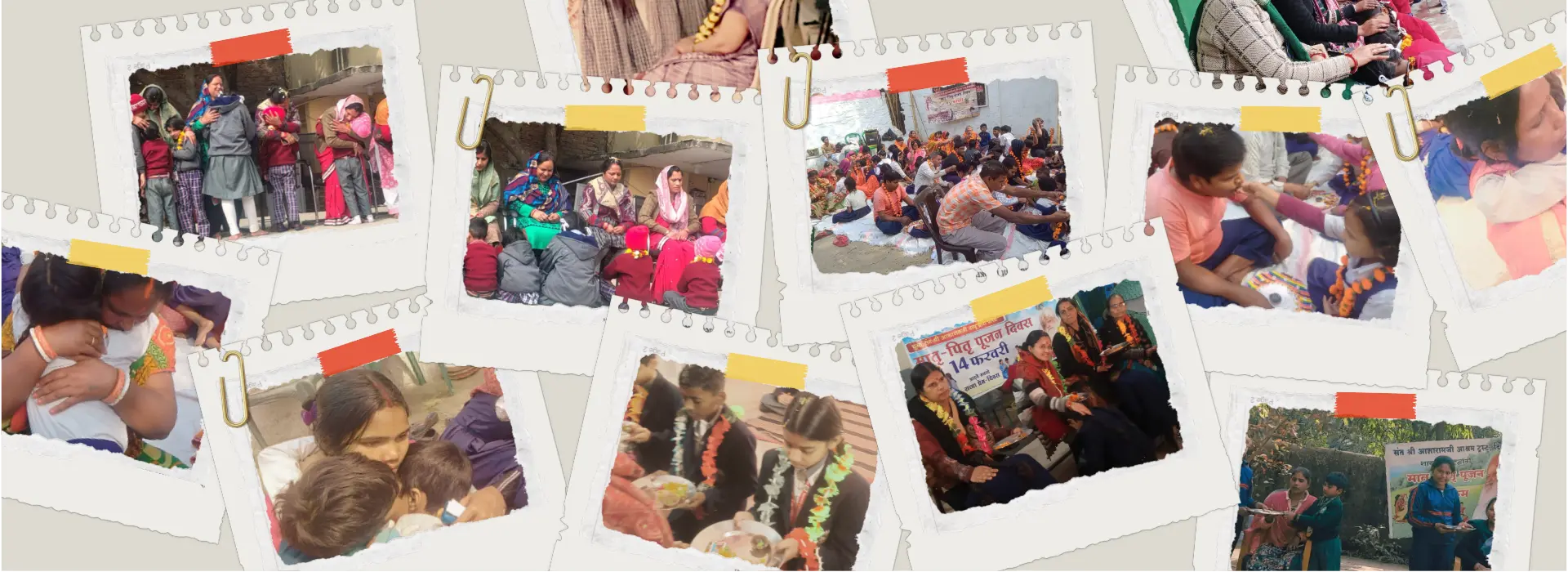
A collection of our finest moments and creative works.

“Where words fail, pictures speak.”

Our Spiritual and Service Journey

Glimpses of some special moments of satsang and service to humanity.

A blend of values and culture